AI Overview
Packing artwork, antiques and high-value items for a move requires acid-free materials, corner protectors and custom crating for anything over $5,000 in value. The most common cause of damage to framed artwork is inadequate corner protection, not rough handling. For truly irreplaceable items, the cost of professional packing is a fraction of the cost of restoration or replacement.
Key takeaways
- Acid-free tissue paper should separate any artwork from direct contact with bubble wrap
- Mirror boxes telescope to fit any size - do not improvise a mirror pack with a standard cardboard box
- Antique furniture with delicate inlay or veneer should be wrapped in fabric blankets, not plastic wrap
- Custom timber crating is the appropriate transport method for high-value paintings and sculpture
- Photograph every high-value item from multiple angles before packing and document condition notes
- Insurance assessments for items over $5,000 should happen before the move, not after damage is discovered
Most move damage happens to the items people thought were fine without special packaging. Paintings, mirrors, antiques and ceramics need a different approach from the standard box-and-tape method. This guide covers the materials and techniques that professionals use, and when it makes sense to leave the packing to someone else.
Why Valuables Need a Different Approach
Standard removalist packing is designed for resilience at volume. Boxes are filled, sealed and stacked. This approach works well for kitchenware, books, clothing and standard furniture.
It does not work for framed artwork, antiques with fragile surfaces, large mirrors, ceramics or any item where a single point of contact can cause irreversible damage. These items require individual assessment and specific materials.
The most common packing mistake with artwork
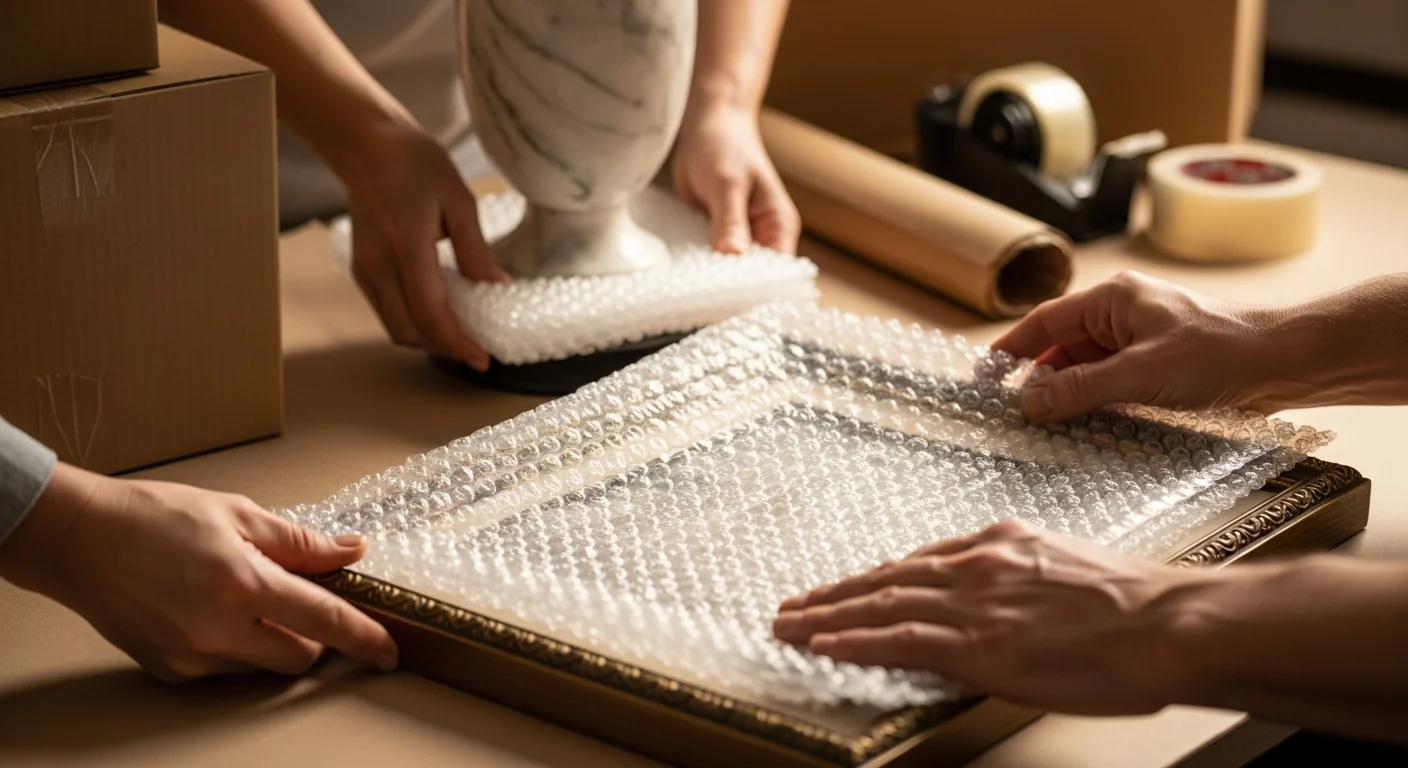
Wrapping a framed painting directly in bubble wrap is the default approach for most people. It looks protective but it is not. The bubbles create uneven pressure points across the face of the canvas or the glass. Moisture can also condense between the bubble wrap and the surface over a long transit. Acid-free tissue paper first, then bubble wrap, is the correct order.
Essential Materials for Packing Valuables
The right materials make the difference between a successful pack and one that arrives with problems. Most of these are available from specialty art supply stores, larger moving companies, and some hardware stores.
| Material | Used For | Notes |
|---|---|---|
| Acid-free tissue paper | First layer on all artwork and antique surfaces | Prevents reaction between bubble wrap and delicate finishes |
| Glassine paper | Wrapping prints, drawings and watercolours | Smooth, non-stick, acid-free - the professional choice for works on paper |
| Padded blankets | Wrapping antique furniture | Prefer fabric blankets over plastic wrap which traps moisture |
| Corner protectors | Framed artwork and mirrors | Cardboard or foam - the single most effective damage prevention for frames |
| Mirror boxes | All mirrors regardless of size | Telescoping cardboard designed for this specific task |
| Packing peanuts or foam | Ceramic, glass and fragile objects in boxes | Box should not rattle when closed and shaken |
| Custom timber crating | High-value paintings, sculpture, oversized mirrors | Commissioned from a specialist packing company for items over $5,000 |
Use the appropriate material for the item type rather than improvising. The cost of correct materials is a small fraction of the cost of restoration or replacement.
Packing Framed Artwork
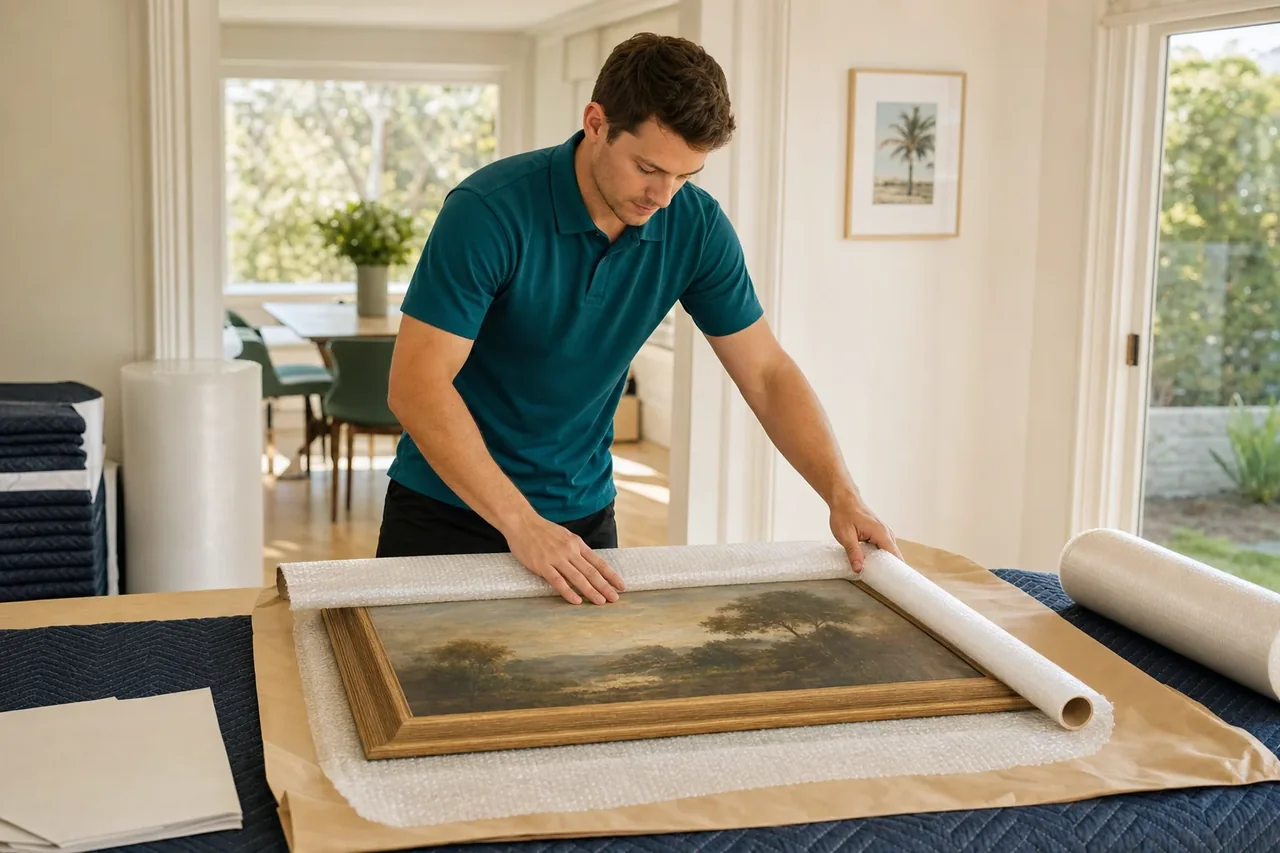
Framed artwork includes oil paintings, watercolours, prints, photographs and mixed media works. Each type has slightly different packing requirements, but the general process applies to all.
- 1
Photograph the work before packing
Take photographs of the front, the back, and any existing damage or restoration areas. Note the condition in writing. This is your reference document if a claim is needed.
- 2
Apply corner protectors
Foam or cardboard corner protectors go on all four corners of the frame before any wrapping begins. The corners are where frame damage almost always starts. Tape the protectors lightly so they do not move during wrapping.
- 3
Wrap in acid-free tissue paper
Cover the face of the work completely with acid-free tissue before applying any other wrapping. For works behind glass, run a cross of masking tape across the glass surface first to hold any fragments if the glass breaks in transit.
- 4
Add bubble wrap over the tissue paper
Wrap with the bubble side facing out, not in toward the work. The smooth side contacts the tissue paper. Secure with tape on the backing side, not on the face.
- 5
Box or crate appropriately
Small and medium works go in purpose-made picture boxes. Large works or high-value pieces should be discussed with your removalist or a specialist art packing company for custom timber crating.
Unframed Works and Works on Paper
Prints, drawings and watercolours that are not framed need to be transported flat in rigid boards, not rolled in a tube. Rolling works on paper can cause permanent damage to the medium and the paper itself.
Interleave unframed works with glassine paper between each piece, sandwich between two rigid cardboard sheets, and place in a flat, clean portfolio case. Keep these items separate from furniture loading and carry them personally if the collection is significant.
Packing Mirrors
Mirrors break in transit for two reasons: impact and flex. A mirror in the wrong packaging can flex slightly during loading or over uneven roads, developing stress cracks that appear days after the move.
Using Mirror Boxes
Mirror boxes are corrugated cardboard boxes designed to telescope in both dimensions to fit any size mirror. They are the correct packaging for any mirror being moved, regardless of size. Do not improvise with a standard cardboard box cut to fit - the construction of a purpose-made mirror box provides structural rigidity that improvised packaging cannot replicate.
- Wrap the mirror in protective foam or cardboard before placing in the box
- Fill any voids in the box with crumpled paper or foam so the mirror cannot move inside
- Mark the box This Side Up and Fragile - Glass on all faces
- Never lay a mirror flat in transit - it should stand on its long edge
- Very large mirrors (over 1.5 metres) should be crated or carried flat in a custom-made timber frame
Large ornate mirrors
Ornate antique mirrors with gilded frames or carved details need extra protection at the frame details, not just the glass. Wrap the frame details in foam before wrapping the whole piece in fabric blankets. The glass can be replaced; a unique gilded cartouche usually cannot.
Packing Antique Furniture
Antique furniture with inlay, veneer, gilding, painted surfaces or fragile legs needs specific handling that differs from standard furniture. The most common mistake is wrapping antiques in plastic stretch wrap, which traps moisture and can lift delicate veneers.
Fabric Blankets First
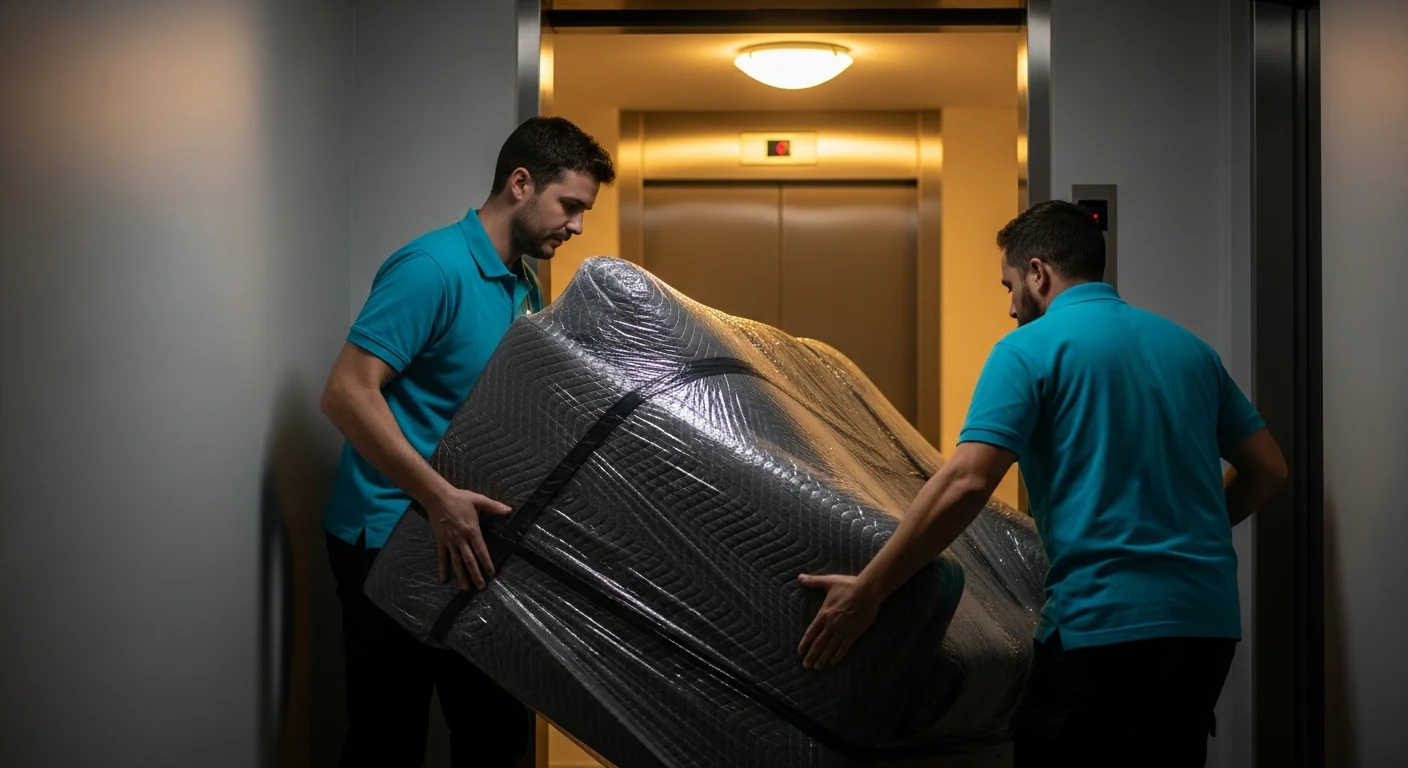
Professional removalists use padded fabric blankets for antique furniture, not plastic wrap. The blankets cushion without trapping moisture and can be removed and reapplied without sticking to the surface. If your removalist arrives with only plastic wrap for an antique piece, this is worth raising.
Fragile Details
Chair legs, table stretchers, carved details, applied mouldings and marquetry panels are the most vulnerable elements. These should be individually wrapped before the main piece is blanketed.
Marble table tops should be removed from the base and transported separately. The legs of marble-top consoles and sideboards can flex under the weight of the marble in transit, causing structural damage to the furniture.
A conservator's assessment of damage to marquetry or gilding is usually priced in days, not hours. A fifteen-minute conversation with your removalist about protection methods beforehand costs nothing.
Ceramics, Glass and Fragile Objects
Individual ceramics, glass objects, crystal and small sculptures are the most statistically likely items to arrive damaged from a move. Most of the damage is preventable with correct boxing.
The Box Shake Test
A correctly packed box of fragile items should not make any sound when gently shaken. If items rattle, there is void inside the box that needs to be filled. Packing peanuts, crumpled paper and foam inserts all serve this function.
- Wrap each ceramic item individually in at least three layers of tissue and bubble wrap
- Place heavier items at the bottom of the box, lighter items on top
- Put a layer of packing material at the base and top of each box, not just between items
- Do not overfill boxes - the top should seal flat without requiring pressure
- Label every box with contents and handling notes - Fragile, This Side Up
Vintage and Antique Ceramics
Celadon, porcelain and lead-glazed antique ceramics can have firing cracks or previous restoration that make them more fragile than they appear. If you own ceramics that have been previously conserved, photograph the conservation work before packing and note any existing cracks or crazing.
When to Use a Professional Packing Service
For most valuables, a careful self-pack using the correct materials is sufficient. There are situations where a professional packing service is the appropriate choice.
- Items valued over $10,000 individually where restoration cost exceeds packing cost
- Paintings larger than 1.5 x 1.5 metres requiring custom crating
- Large collections where systematic packing and inventory documentation are needed
- Properties with significant antique or decorative art content throughout
- Items with complex disassembly requirements - clocks, certain sculptures, chandeliers
A packing service creates the documentation too
Professional packers do not just pack more carefully - they document as they go. You receive a detailed written inventory of every packed item with condition notes, which is both the reference for delivery and the supporting document for any insurance claim. For a significant collection, this documentation alone justifies the cost.
Specialist Art Handlers
For museum-quality works, significant antiques or items moving interstate or internationally, specialist art handling companies operate separately from general removalists. They have custom crating capability, climate-controlled vehicles and condition reporting that general removalists do not provide.
If your collection or individual pieces warrant this level of care, discuss your specific requirements with a specialist before the move. A general removalist, however good, has different tools and training than an art handler.
Insurance for High-Value Items
Transit insurance from your removalist typically has per-item limits and may exclude certain categories entirely. For high-value items, understanding these limits before the move is essential.
What to Check in Your Policy
- Per-item coverage limit - common limits are $5,000-$10,000 per item
- Whether artwork, antiques and collectables are specifically excluded
- Whether the policy pays replacement value or depreciated value
- The excess and the claims process
- Whether items need to be individually listed and valued in advance
For any item exceeding the policy per-item limit, obtain a standalone insurance policy through a specialist insurer or your home contents insurer before the move. This requires a formal valuation, which typically takes two to three weeks to arrange.
A valuation is not the same as an insurance assessment
A market valuation from an auction house tells you what an item would sell for today. An insurance replacement value assessment tells you what it would cost to replace or restore the item. For insurance purposes, you need the replacement value assessment, not the market valuation. These figures can differ significantly for antiques and decorative art.
Planning a move in the Eastern Suburbs?
Read more about our local home removals, professional packing service, or interstate removals. We serve Double Bay, Rose Bay and the full Eastern Suburbs.